
A Closer Look: The Impact of Booming Data Centers on Texas's Power Grid

The boom in data centers across Texas has caught the attention of technology enthusiasts, energy experts, and local policymakers. With its favorable climate, tax incentives, and a growing tech-savvy workforce, Texas has become a hotspot for data center development. However, this rapid expansion raises important questions about its implications for the state's power grid, which has its own unique challenges.
The Data Center Boom in Texas
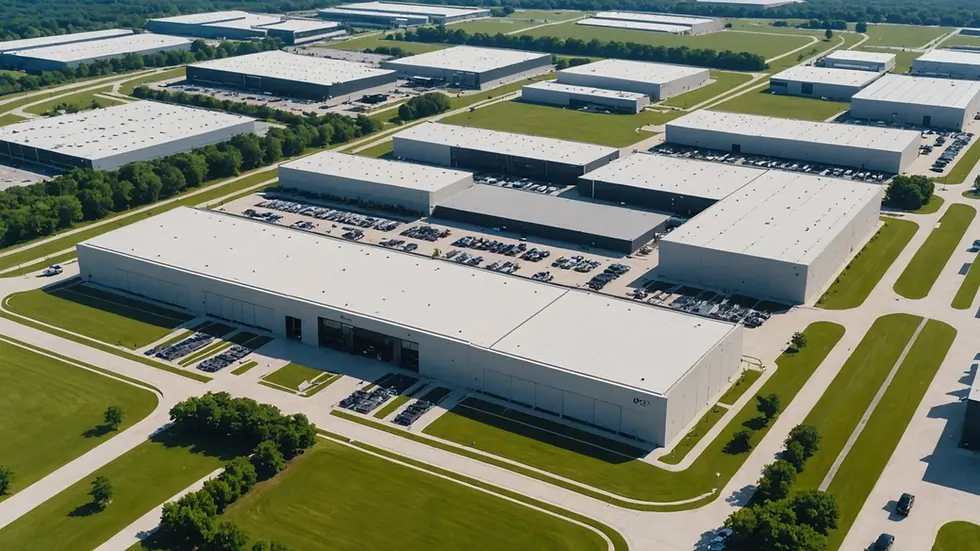
Texas has seen a remarkable surge in data center projects in recent years. Major players like Google, Facebook, and Amazon Web Services have flocked to the state, taking advantage of its deregulated energy market and strategic advantages. In fact, as of 2022, Texas accounted for nearly 30% of the total U.S. data center capacity.
These data centers, which are crucial for cloud computing, artificial intelligence, and data analytics, require enormous amounts of energy—often several megawatts each. For instance, a large data center can consume over 100 megawatts of power, enough to supply electricity to approximately 70,000 homes.
The state's existing infrastructure and strong energy market make it a compelling choice for companies looking to reduce operational costs while improving efficiency. Furthermore, Texas is rich in renewable energy, particularly wind and solar, providing viable options for powering these high-demand facilities.
Energy Demand and Supply Dynamics
The growing energy needs of data centers significantly impact the supply and demand dynamics in Texas. The Electric Reliability Council of Texas (ERCOT), which oversees the electricity grid for around 26 million Texans, faces challenges in maintaining a reliable power supply amid this rapid growth.
Data centers operate around the clock, and their immense energy requirements can strain the grid, especially during peak demand periods. While Texas often enjoys a surplus of energy production, concerns arise about relying too heavily on renewable sources, which can be intermittent. For example, data centers might still require consistent power during times when solar or wind production falters, such as cloudy days or calm weather.
Grid Stability Risks
With the expansion of data centers, the risks to grid stability also increase. High energy consumption can strain existing infrastructure, particularly during extreme weather events that spike power demand. Texas has experienced severe heat waves and winter storms, each presenting unique challenges to grid reliability.
In addition, unexpected weather patterns can lead to sudden drops in renewable energy production. For instance, during the winter storm in February 2021, Texas saw significant energy supply disruptions, impacting millions of residents and businesses alike. If similar situations occur, data centers could face power shortages, jeopardizing their operations.
The Role of Renewable Energy
As Texas leads the nation in wind energy production—accounting for approximately 30% of the state’s total energy—there is a growing emphasis on utilizing renewable energy for data centers. Companies are increasingly focused on sustainable practices, making it essential to attract these tech giants with competitive green energy options.
Innovative strategies like energy storage systems and demand-response programs can help address these challenges. For instance, battery storage can store excess energy produced during off-peak times for use during high-demand periods. Such efforts not only stabilize the grid but also drive reductions in carbon emissions.
Strategic Investments in Infrastructure
To handle the challenges posed by booming data centers and protect grid stability, strategic investments in infrastructure are essential. This includes upgrading existing transmission lines and exploring new technologies that enhance energy efficiency and responsiveness.
Stakeholders such as local governments, utility companies, and businesses must collaborate. By harnessing the benefits of data centers while safeguarding the community’s interests, they can create a more resilient energy framework.
The Economic Implications
While energy management poses challenges, the economic benefits of data centers in Texas are significant. These facilities create thousands of jobs, stimulate local economies, and foster advancements in the energy sector.
As Texas continues to attract data centers, workforce development in energy and tech industries has become a priority. For example, training programs for skilled positions in data management and renewable energy can lead to a more diverse and robust workforce, further enriching the state's economic landscape.
Policy Considerations
Policymakers in Texas must carefully navigate the implications of the data center boom on the power grid. Striking a balance between growth and sustainable energy practices is crucial.
Developing policies that encourage companies to invest in energy-efficient technologies can lead to better outcomes for both the economy and the environment. For instance, offering tax breaks for businesses that implement renewable energy solutions can motivate wider adoption of sustainable practices.
Community Involvement and Awareness
Engaging the community is vital as Texas advances its data center initiatives and their impact on the power grid. Raising awareness among residents about the potential benefits and challenges will address concerns and foster a supportive atmosphere.
Information campaigns can highlight the advantages data centers bring to energy sustainability and local economies. By shifting the conversation towards a positive viewpoint, community support can grow.
Future Outlook
The future of Texas's data center boom is filled with both opportunities and challenges. While energy demands are rising, careful planning, investment in infrastructure, and a commitment to renewable sources can pave the way for a robust energy ecosystem.
Texas's capacity for adaptation and innovation will define its energy landscape. By embracing cutting-edge technologies and sustainable practices, the state can stabilize its grid while leading the nation in energy solutions.

Final Thoughts
The rapid growth of data centers in Texas signals a transformative shift in the state's energy landscape. While they present both economic opportunities and grid reliability challenges, informed collaboration among stakeholders, sustainable practices, and active community engagement are essential for managing these changes.
As Texas forges ahead, its commitment to innovation and sustainability will shape a balanced approach to energy management, ensuring that the future is both bright and sustainable.


Comments